

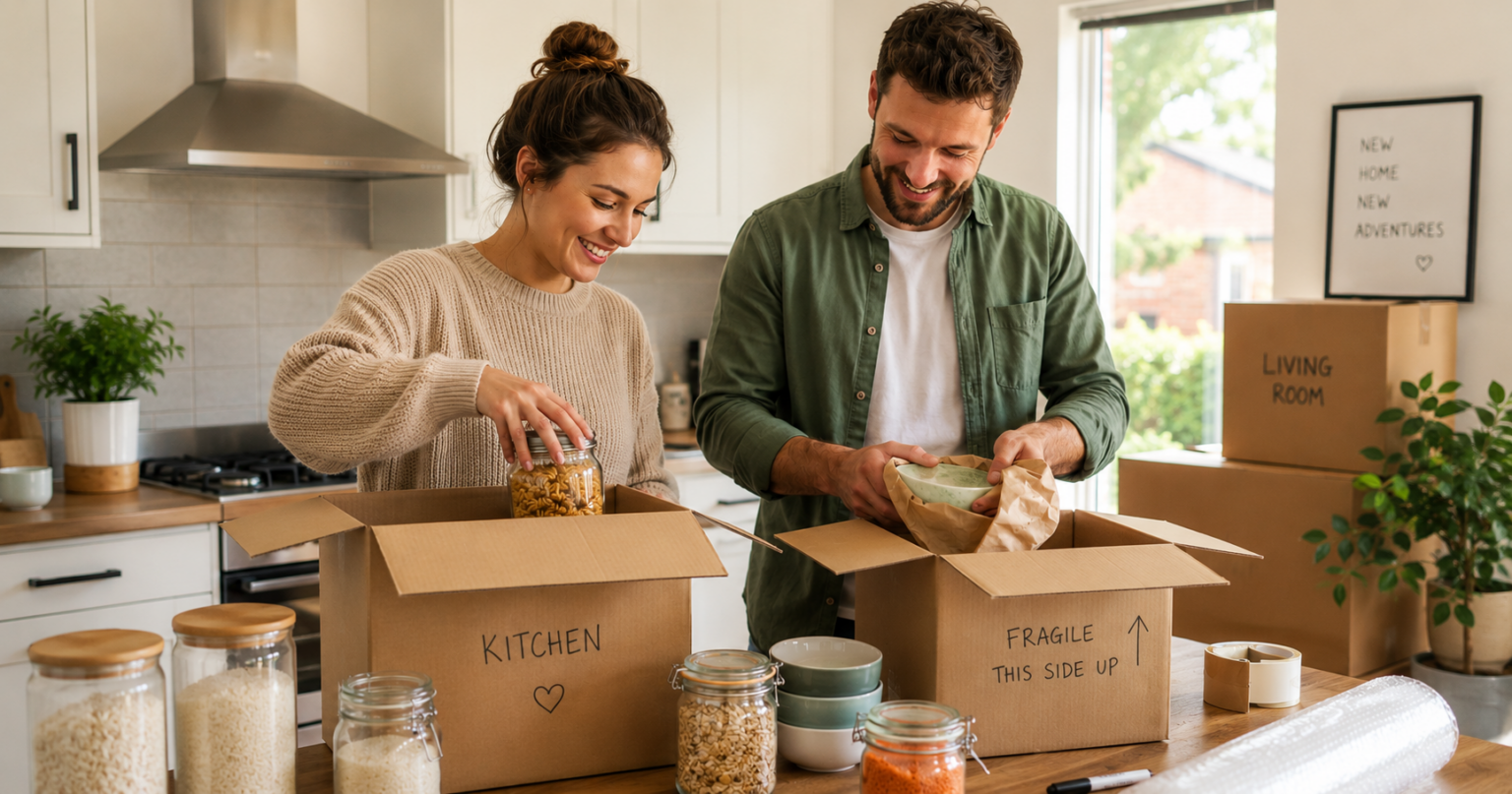
Packing your kitchen is one of the most overlooked—but important—parts of moving. While furniture and décor can be packed weeks in advance, food requires careful timing, planning, and the right storage strategy—especially in Florida’s heat and humidity.
Whether you’re moving across South Florida, the Treasure Coast, or anywhere in the state, knowing how to properly pack food can help you avoid waste, prevent messes, and make your move far more efficient.
Key Highlights for Packing Food for a Move
- Take inventory of your food 3–4 weeks before moving day
- Sort items into keep, donate, or discard
- Plan meals to reduce perishable food waste
- Use airtight containers and sturdy boxes
- Pack dry goods, fragile items, and perishables correctly
- Use portable storage for a flexible, stress-free packing timeline
Why Packing Food Requires a Different Strategy
Unlike other household items, food is sensitive to temperature, moisture, and time—especially in Florida’s climate. Improper packing can lead to:
- Spoilage due to heat
- Leaking containers damaging other items
- Unnecessary waste and added costs
That’s why planning ahead—and using a solution like portable storage from My Stack Box—can make all the difference. With ground-level containers delivered to your driveway, you can pack your kitchen gradually instead of rushing.
1. Take Inventory of Your Food Early
About a month before your move, go through your:
- Pantry
- Refrigerator
- Freezer
Create a list of everything you have and check expiration dates. This helps you:
- Avoid packing expired items
- Plan meals efficiently
- Reduce what you need to move
2. Sort Items: Keep, Donate, or Discard
Decluttering your kitchen before packing saves time and space.
- Keep: Non-perishables and items worth transporting
- Donate: Unopened canned and boxed goods
- Discard: Expired, opened, or heat-sensitive items
Donating food to local Florida food banks is a great way to give back while lightening your load.
3. Gather the Right Packing Supplies
Using proper materials is key to protecting your food during a move.
Essential Supplies:
- Sturdy small-to-medium boxes
- Packing paper or bubble wrap
- Airtight containers
- Masking tape for sealing lids
- Permanent markers for labeling
Heavy items like canned goods should always go in smaller boxes to prevent breakage.
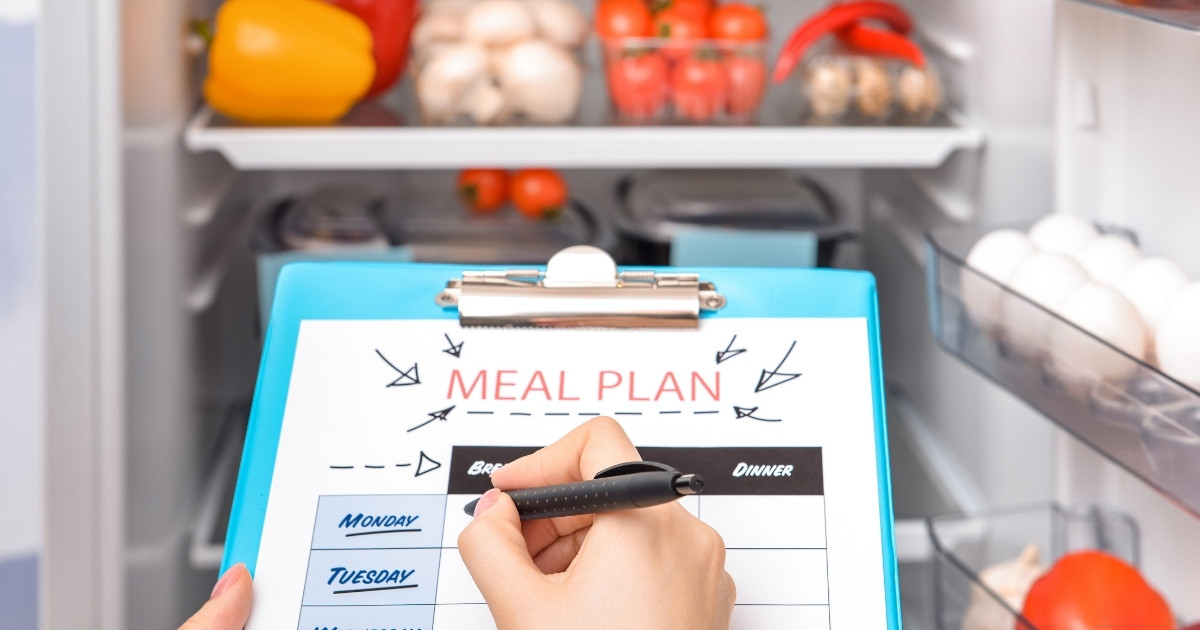
4. Plan Meals to Use Up Perishables
Two to three weeks before moving day, start using up:
- Fresh produce
- Dairy products
- Meat and frozen foods
This reduces waste and eliminates the need to transport risky items.
Ideas:
- Cook batch meals
- Freeze ready-to-eat dinners
- Host a “clean-out-the-fridge” night
5. Pack Pantry Items and Dry Goods the Right Way
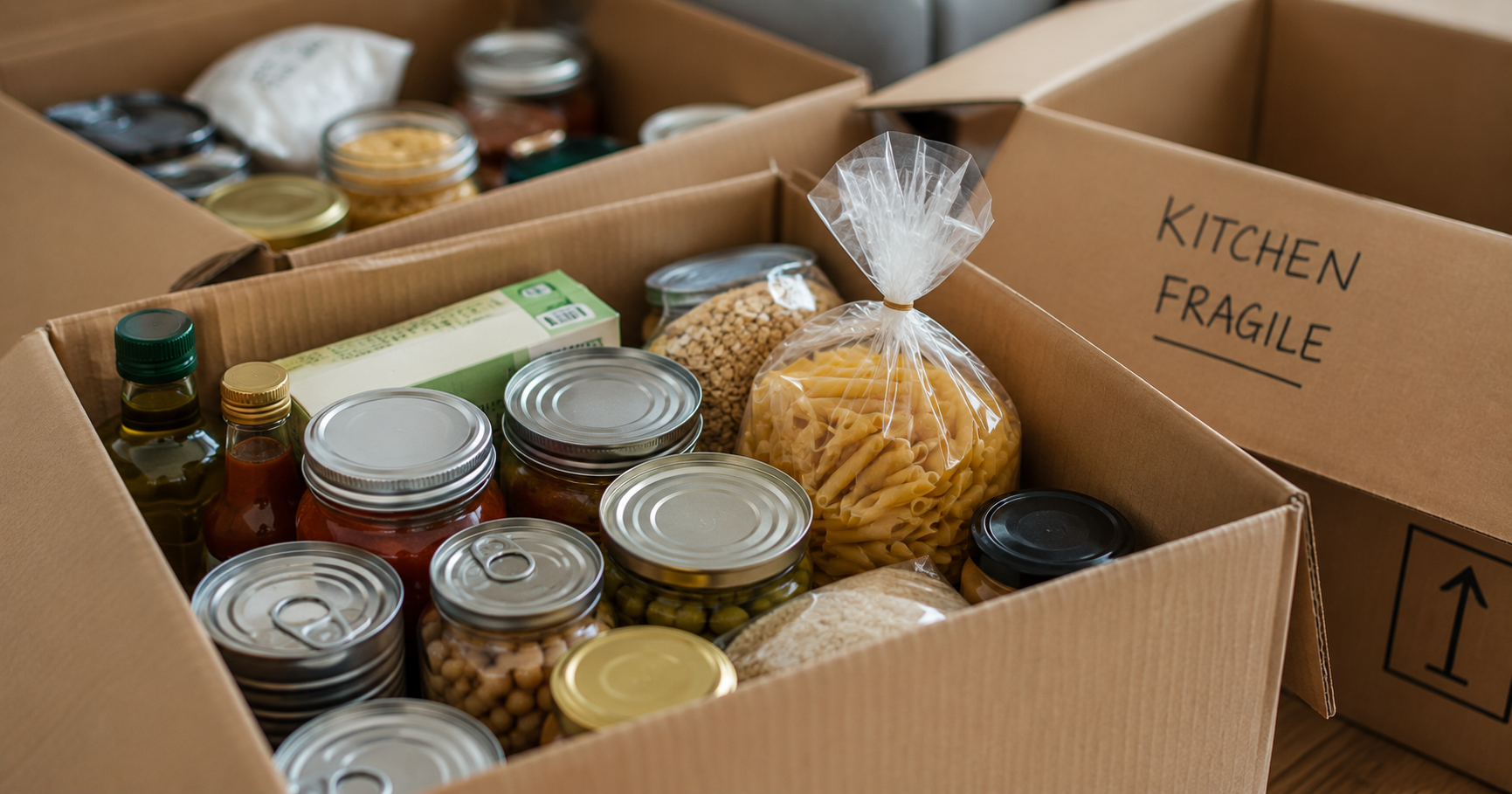
Dry goods like rice, pasta, flour, and sugar need to be sealed properly.
Best Practices:
- Transfer open items into airtight containers
- Tape lids on spices and shakers
- Place heavy items at the bottom of boxes
- Fill gaps with packing paper
Avoid overpacking boxes—they can get heavy quickly.
6. Protect Glass Jars and Bottles
Items like sauces, oils, and condiments can easily break.
How to Pack Them Safely:
- Wrap each item individually
- Keep bottles upright
- Use cushioning to prevent movement
- Label boxes “FRAGILE” and “THIS SIDE UP”
7. Handle Refrigerated and Frozen Foods Carefully
In Florida, transporting perishable food is especially risky.
Best Options:
- Use up or donate perishables
- Only transport if moving locally
- Use coolers with ice packs if necessary
Always unpack and refrigerate immediately upon arrival.
8. Know What NOT to Pack
Some items simply aren’t worth moving:
- Fresh produce
- Dairy and meat
- Frozen foods (long-distance moves)
- Open liquids or sauces
These can spoil quickly and create a mess during transport.
9. Label and Organize Food Boxes Clearly
Clear labeling saves time when unpacking.
Label Examples:
- “Kitchen – Pantry Items”
- “Spices – Open First”
- “Fragile – Glass Jars”
Consider numbering boxes and keeping a master inventory list.
10. Pack a Moving Day Essentials Box
Moving day is long—keep snacks and essentials handy.
Include:
- Bottled water
- Protein bars or snacks
- Sandwiches or wraps
- Paper plates and utensils
Keep this box with you, not in the container.
11. Donate Extra Food Before You Move
Reduce waste and help your community by donating:
- Unopened canned goods
- Boxed foods (pasta, cereal, rice)
- Sealed jars
Many organizations across Florida accept donations, making it easy to give back before your move.
12. Start Packing Food Early for Less Stress
A simple timeline:
- 4 weeks before: Inventory + meal planning
- 2–3 weeks before: Pack non-perishables
- Final week: Use up perishables
This step-by-step approach keeps your move organized and manageable.
Make Moving Easier with My Stack Box
When it comes to packing your kitchen—and your entire home—having the flexibility to pack at your own pace is a game-changer.
With My Stack Box, you can:
- Pack gradually without rushing
- Keep your container on-site or store it securely
- Avoid multiple trips to a storage facility
- Move anywhere across South Florida with ease
Our clean, weather-resistant containers are built for Florida conditions, helping protect your belongings—including your packed kitchen items.
Packing food for a move doesn’t have to be stressful. With proper planning, smart packing techniques, and the flexibility of portable storage, you can simplify the process and reduce waste.
Whether you’re moving locally in South Florida or relocating across the state, these tips will help you stay organized and make settling into your new kitchen much easier.
Need help with your move?
Call or text 866-887-8225 or click here to schedule your My Stack Box delivery today and make your move the easiest one yet.